Global High-Tech Manufacturer: Enterprise-Scale Visual Inspection System
Summary
To achieve consistent, high-quality manufacturing standards across 100+ sites globally, a leading high-tech manufacturer partnered with us to develop a scalable AI-powered Visual Inspection System. Leveraging deep learning, cloud, and edge intelligence, the solution automated defect detection, unified quality processes, and enabled real-time visibility across diverse production lines. Within one year, it transformed global operations—enhancing accuracy, reducing manual effort, and saving over $2 million annually through improved efficiency and reduced rework.
The Challenge
Global manufacturing at scale brings complexity and inconsistency:
- Manual quality inspections were slow, error-prone, and couldn’t keep up with growing production volumes.
- Each site followed different inspection standards and tools, resulting in fragmented data and inconsistent quality.
- Lack of centralized visibility prevented leadership from tracking global quality KPIs or proactively identifying issues.
- Scaling quality control across new product lines required time-intensive training and reconfiguration.
Goal: Standardize and automate the visual inspection process globally to ensure consistency, scalability, and data-driven quality decisions.
Our Solution
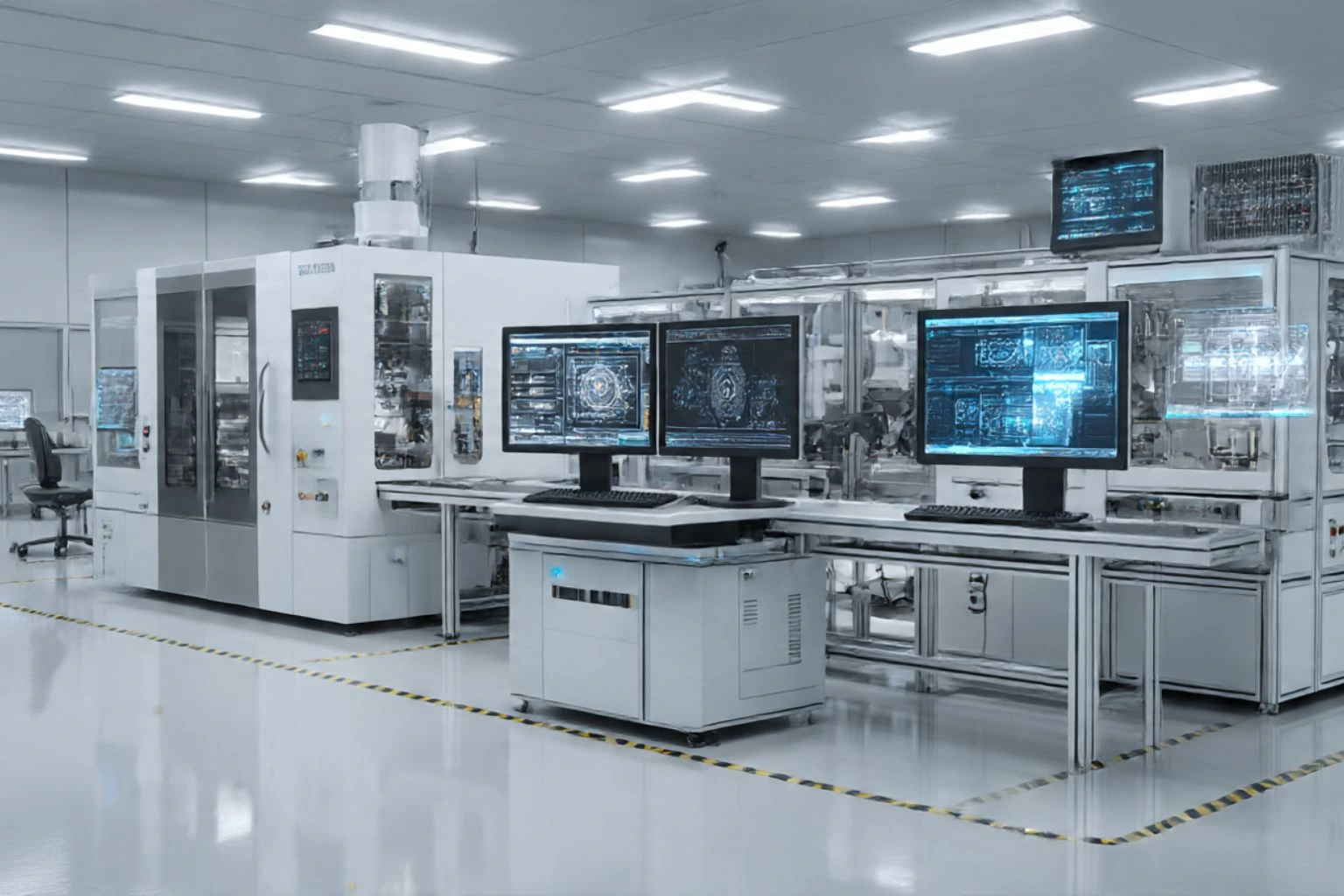
We engineered and deployed a comprehensive Visual Inspection AI Platform tailored for enterprise-scale manufacturing environments — capable of seamlessly integrating across 100+ production sites and product variants.
Key Capabilities:
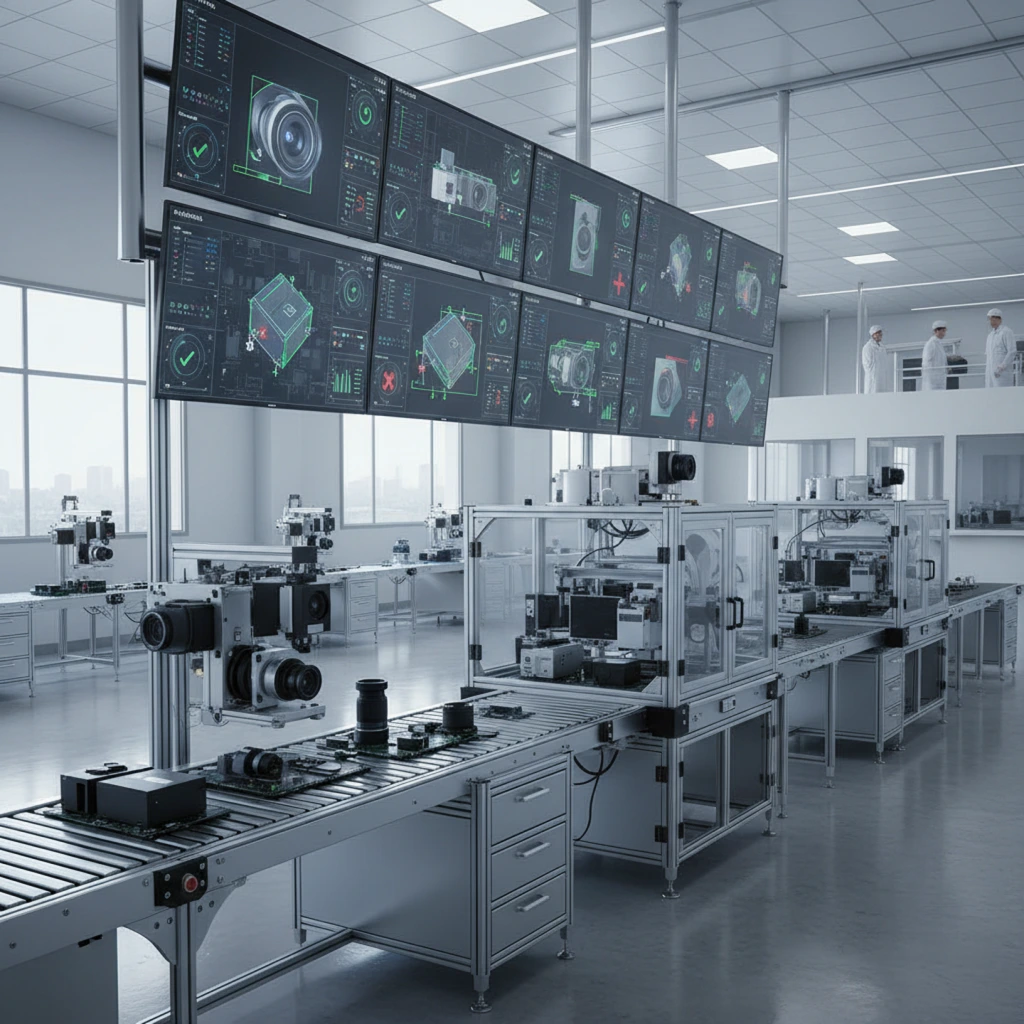
- AI-Powered Defect Detection: Deep learning computer vision models trained on diverse product datasets to identify surface defects, scratches, misalignments, and anomalies with human-level precision.
- Global Standardization: Unified defect classification and inspection workflows across all sites to enforce consistent quality criteria.
- System Integration: Tight integration with existing Manufacturing Execution Systems (MES) and Quality Management Systems (QMS) such as SAP MES.
- Real-Time Analytics: Custom dashboards displaying inspection results, defect trends, and performance KPIs in real-time.
- Anomaly Alerts: Automated notifications for process deviations or defect spikes, enabling proactive intervention.
- Continuous Learning: AI models retrain periodically to adapt to new defect types, material variations, and evolving manufacturing processes.
- Cloud-Native Architecture: Deployed using AWS/Azure, Docker, and Kubernetes to ensure scalability, reliability, and global accessibility.
The Results
Our platform drove measurable impact across operations and the bottom line.
| Performance Metric | Before (Manual) | After (AI-Powered) | Impact / Benefit |
|---|
| Defect Detection Accuracy | 70–80% | 95%+ | Higher precision, fewer false negatives |
| Manual Inspection Time | High | Reduced by 60% | Faster throughput and reduced labor dependency |
| Quality Standards | Inconsistent | Standardized Globally | Uniform global quality assurance |
| Annual Scrap & Rework Cost | High | $2M+ Savings | Major cost reduction across product families |
| Visibility into Quality Metrics | Limited | Real-Time Dashboards | Improved decision-making and transparency |
| Rollout and Scalability | Site-specific | 20 Countries / 100+ Sites | Rapid, repeatable global deployment |
Technologies Used
- AI & Deep Learning: TensorFlow, PyTorch, OpenCV
- Cloud Infrastructure: AWS / Azure / GCP
- Containerization & Deployment: Docker, Kubernetes
- Integration: REST APIs, SAP MES connectors
- Visualization: Real-time web dashboards and analytics layer
Implementation Timeline
- Phase 1 (16 Weeks): Pilot deployment at flagship manufacturing site
- Phase 2 (6 Months): Regional rollout and process calibration
- Phase 3 (12 Months): Full global deployment across 100+ sites
Business Impact Highlights
- Enterprise-Wide Transformation: Unified quality assurance across multiple continents and product lines.
- Scalable AI Infrastructure: Designed to extend easily to new production lines or facilities.
- Operational Efficiency: Major reductions in inspection time and scrap rates.
- Tangible ROI: $2M+ annual savings and improved profitability.
- Smarter Processes: AI continuously learns from real-world feedback, ensuring evolving precision and adaptability.
Key Takeaways
- AI-driven visual inspection ensures consistent, high-quality output at global scale.
- Integrating deep learning with MES/QMS creates end-to-end manufacturing visibility.
- Cloud and containerized deployment guarantee scalability and resilience.
- Continuous learning ensures future-ready defect detection without manual retraining.
Why NextAstra
At NextAstra, we blend AI innovation with industrial intelligence to empower global enterprises with future-ready manufacturing solutions.
What Sets Us Apart:
- End-to-End Expertise: From data preparation to full-scale deployment across cloud, edge, and on-prem environments.
- AI Precision, Human Insight: Our deep learning pipelines combine automation with domain expertise for real-world accuracy.
- Cloud and containerized deployment guarantee scalability and resilience.
- Scalable Architecture: Designed for global operations, adaptable to any manufacturing footprint.
- Continuous Value Delivery: Our AI systems evolve with your processes, products, and production data.
- Trusted Partnership: We collaborate closely with clients, ensuring smooth integration, measurable ROI, and sustained impact.
With NextAstra, organizations not just adopting technology — be an engineering global excellence.